The "Amygdala Hijack": Why Procrastination is an Emotion Problem, Not a Time Management Issue
Many people believe procrastination is a sign of laziness or poor time management, but neuroscience reveals it is actually a failure of emotional regulation. Discover how your brain’s fear center hijacks your productivity—and how you can take back control.
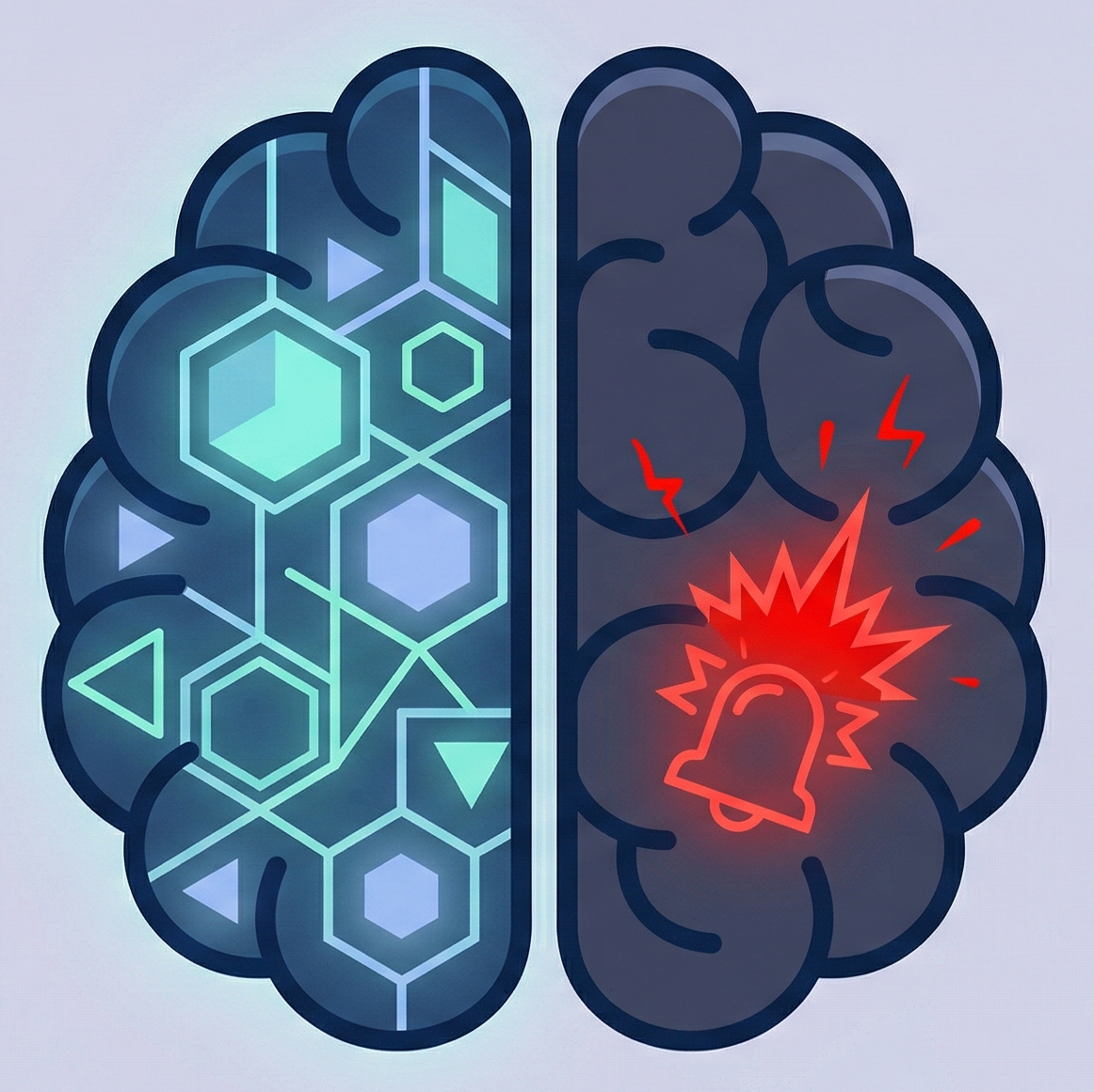
Many people believe procrastination is a sign of laziness or poor time management, but neuroscience reveals it is actually a failure of emotional regulation. Discover how your brain’s fear center hijacks your productivity—and how you can take back control. If you have ever stared at a looming deadline and suddenly felt an overwhelming urge to organize your sock drawer or scroll through social media, you are not alone. For decades, we have been told that procrastination is a character flaw. We buy new planners, download time-tracking apps, and promise ourselves we will finally be disciplined. Yet, the tasks remain undone. Why? Because procrastination is not a time management problem; it is an emotion management problem. According to leading researchers like Dr. Tim Pychyl, we do not delay tasks because we lack scheduling skills, but because we do not know how to cope with the negative feelings those tasks trigger. The Brain’s Battleground To understand why we put things off, we must look at the neurological tug-of-war happening inside our heads. Your brain features a persistent conflict between two major systems: The Prefrontal Cortex: Located behind your forehead, this is the rational, executive center of your brain handling high-level planning, impulse control, and long-term goals. The Limbic System: The brain’s ancient emotional hub, which includes a tiny, almond-shaped structure called the amygdala. It prioritizes immediate survival, escaping pain, and seeking instant gratification. The Amygdala Hijack & "Giving in to Feel Good" When you face a task you find boring, difficult, or anxiety-inducing, your amygdala wakes up, perceiving those negative emotions as a psychological threat. In a split second, it triggers a threat-avoidance response, bypassing your logical prefrontal cortex and demanding immediate relief from discomfort. This is known as the "amygdala hijack." To repair your mood, you abandon the difficult project and open social media. The moment you put off the dreaded task, you experience an immediate wave of relief. Because rewarded behaviors get repeated, your brain learns that avoiding work brings instant pleasure—a mechanism researchers call "giving in to feel good". Unfortunately, this short-term mood repair comes at a massive long-term cost, fueling a vicious cycle of stress and more procrastination. How to Disarm the Hijack If procrastination is an emotional regulation problem, the solution lies in calming the nervous system. Here are two science-backed ways to disarm the hijack: 1. Name the Emotion (Affect Labeling): When you feel the urge to run, explicitly name the emotion you are experiencing. Brain imaging shows that transitioning a feeling into a cognitive label shifts blood flow away from the panicked amygdala back to the rational prefrontal cortex, instantly reducing the fear response. If you struggle to do this alone, modern digital tools like the Focumi app are built around this exact psychology. Focumi’s Morning Check-In requires you to explicitly label the negative emotion blocking your work. By making "Affect Labeling" a daily routine, Focumi shifts your brain out of panic mode before you even attempt your task. 2. Shrink the Threat: The amygdala panics because a task feels too big. To bypass this, radically lower the "activation energy" required to start. Make the first step so laughably small it doesn't trigger a threat response—like committing to just five minutes of work. For moments of complete paralysis, the Focumi app features an emergency "Help Button" on every screen. Tapping it opens a "frozen" flow: a 60-second somatic movement timer to break the physiological freeze response, followed by a prompt to name just one physical micro-action. Because starting is the hardest part, this guided micro-step builds immediate momentum. The next time you find yourself endlessly scrolling, remember: you aren't lazy; you are experiencing a temporary emotional hijack. Acknowledge the feeling, take one tiny step, and put your prefrontal cortex back in the driver's seat.